O expozici
The Tree of Life
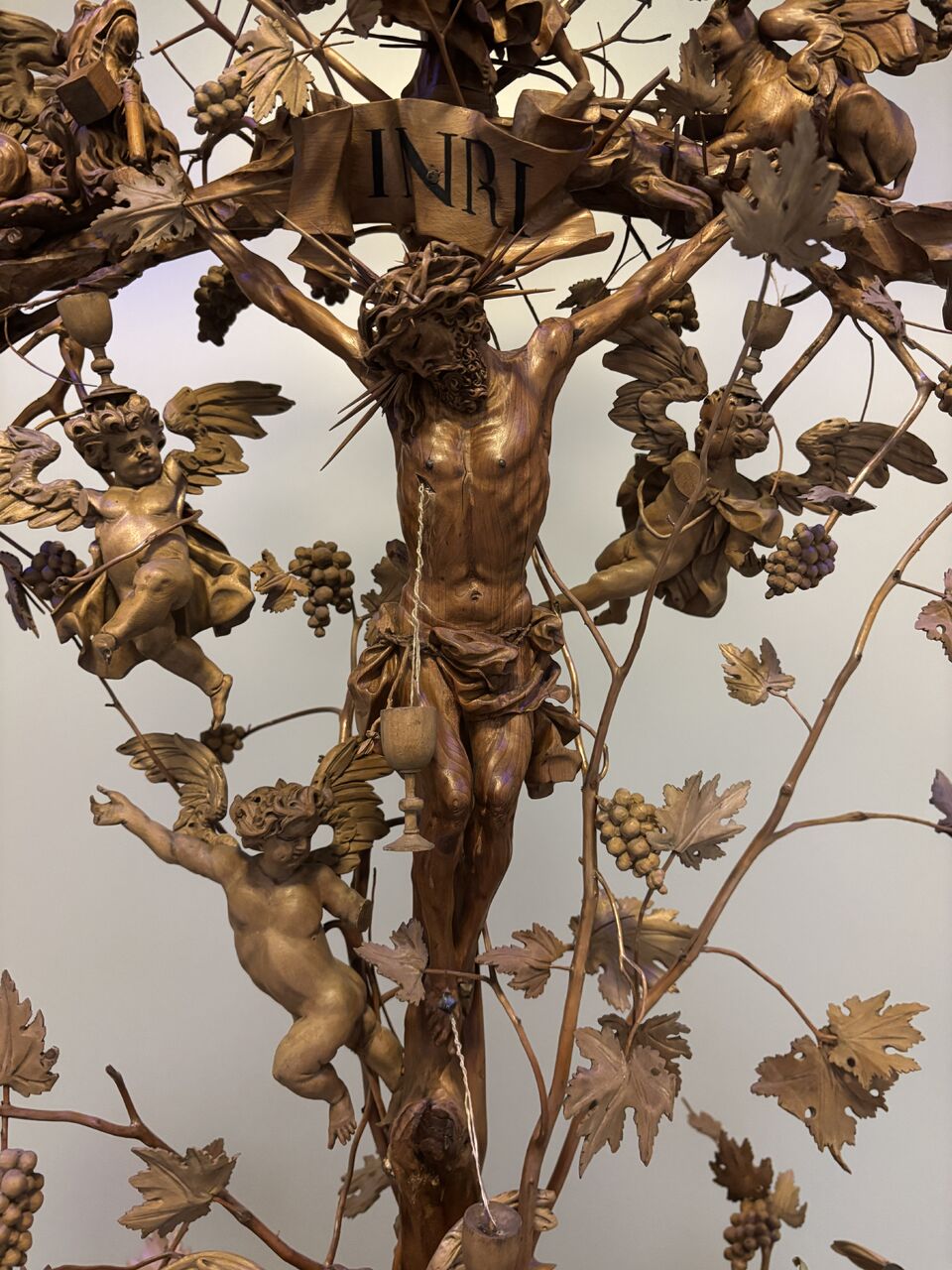
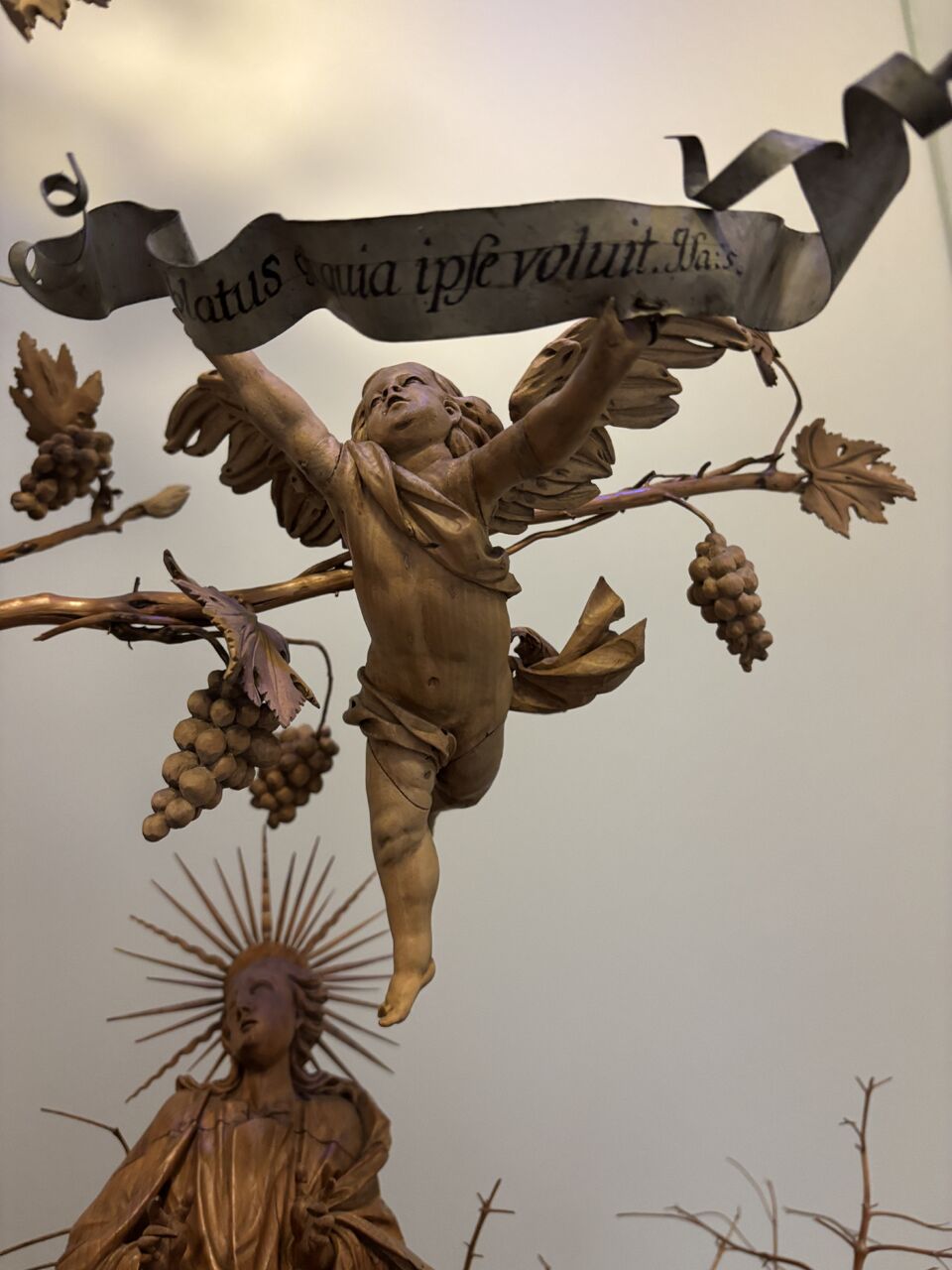
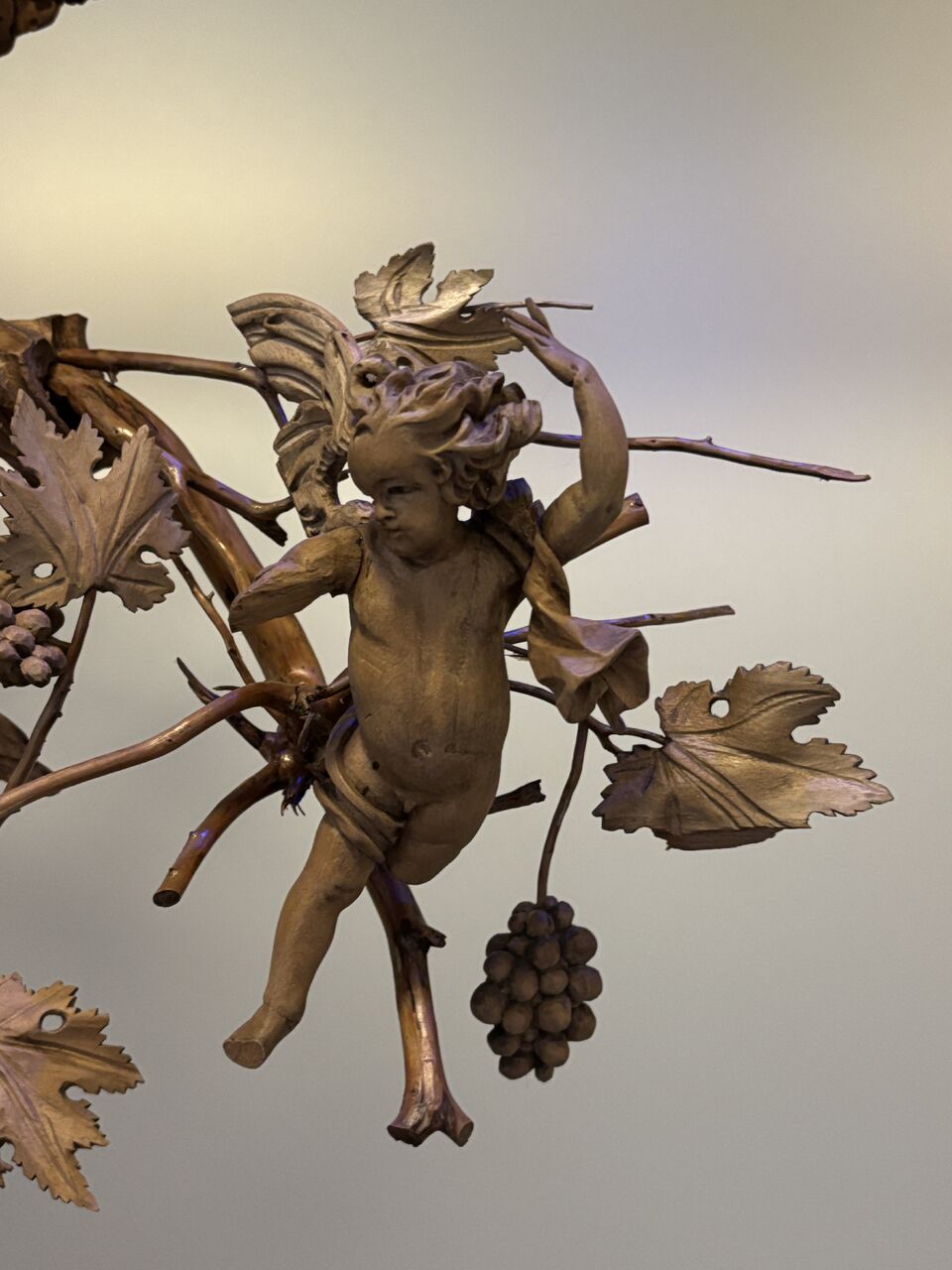
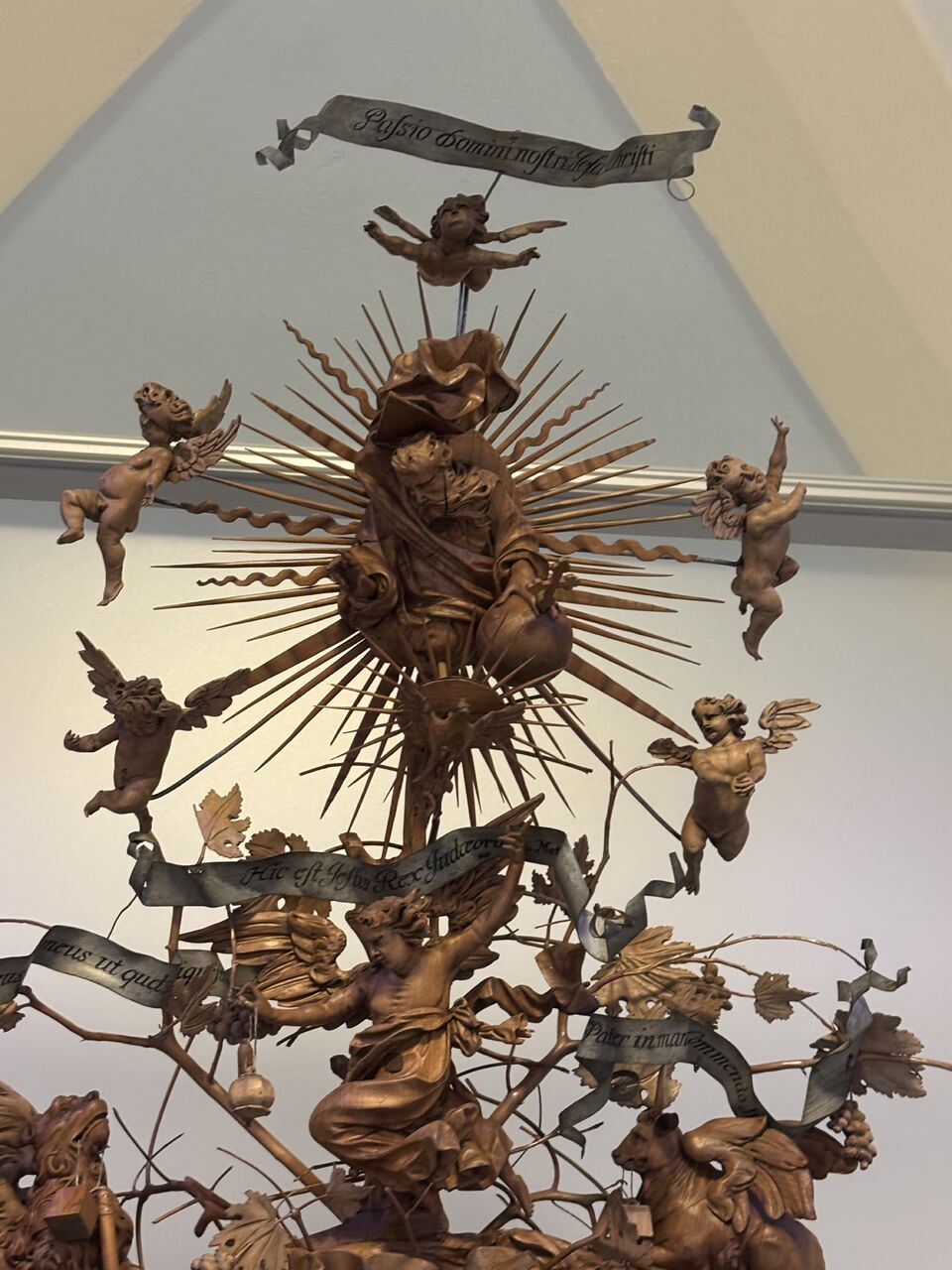
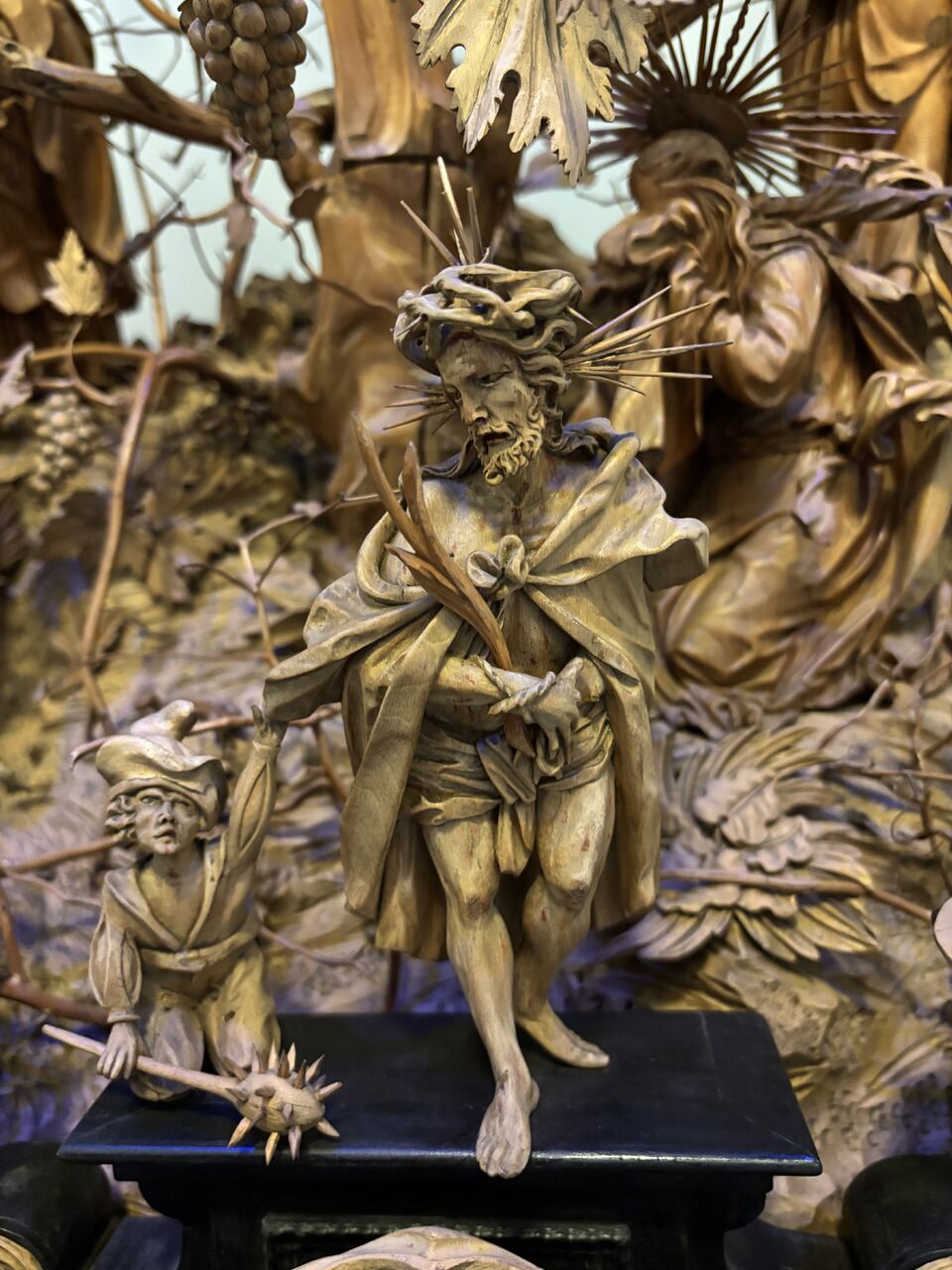
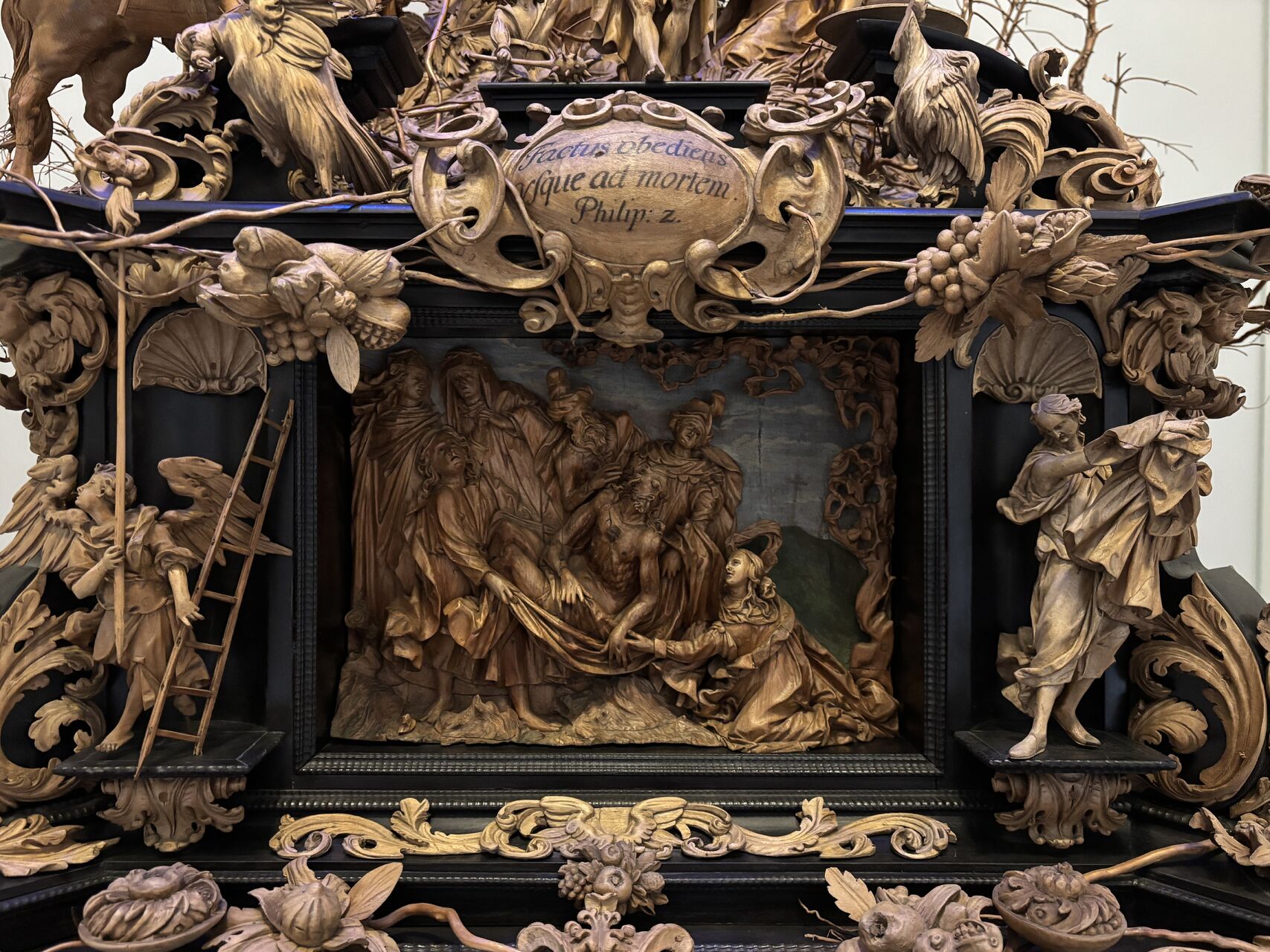
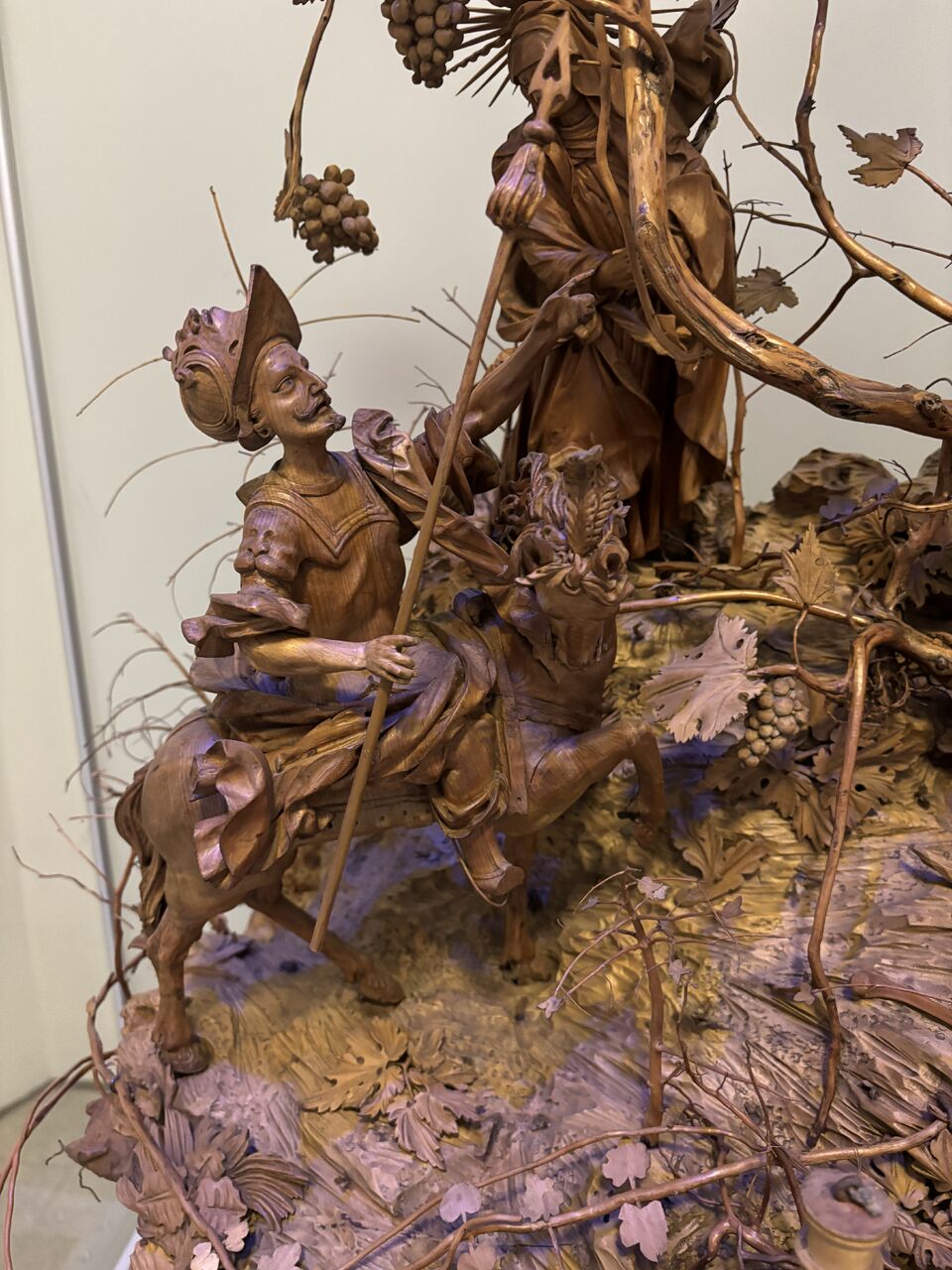
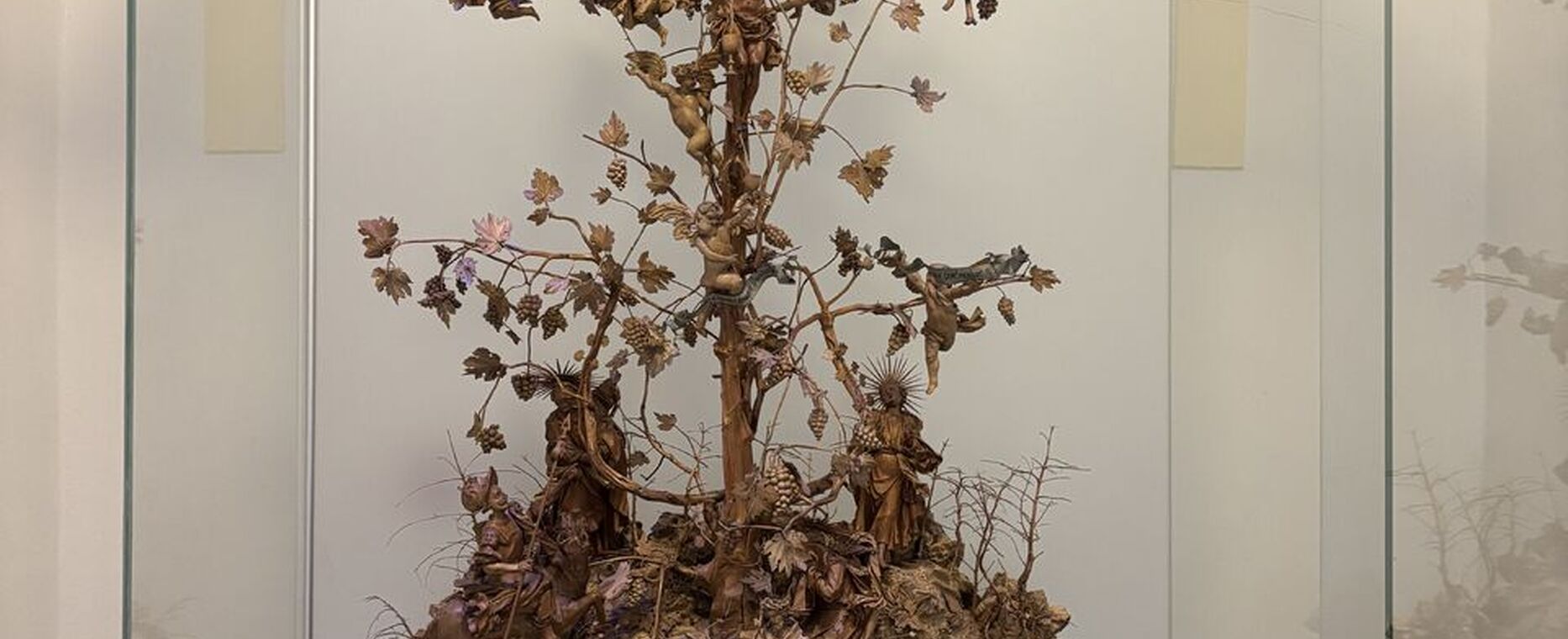
One of South Bohemia’s most remarkable works of Baroque woodcarving, the Tree of Life comes from the Paulan monastery in Klášter near Nová Bystřice. Following extensive restoration, it was exhibited at the National Gallery in Prague from 2001 before being transferred to the Museum of the Jindřichův Hradec Region. Visitors can admire it in the sacristy of the Baroque chapel in the former Minorite monastery on Štítného Street. Dating from the second half of the 17th century, this virtuoso carving stands approximately two metres high and retains a largely unpainted, natural wood surface. It depicts the final events of Christ’s earthly life, including the mocking of Christ, the Crucifixion and the Entombment. Throughout the composition, symbolism evokes the three persons of the Holy Trinity, to whom the monastery church is dedicated. According to legend, an imprisoned monk carved the work as an act of penance. Its exceptional artistic quality, however, suggests the hand of a professional woodcarver and casts doubt on the story.
Der Lebensbaum
Der Lebensbaum gehört zu den bemerkenswertesten Werken barocker Holzschnitzkunst in Südböhmen. Er stammt aus dem Paulanerkloster in Klášter bei Nová Bystřice. Nach einer umfassenden Restaurierung wurde er ab 2001 in der Nationalgalerie in Prag ausgestellt und später in das Museum der Region Jindřichův Hradec überführt. Heute können Besucher das Werk in der Sakristei der barocken Kapelle im ehemaligen Minoritenkloster in der Štítného-Straße bewundern. Die virtuose Schnitzarbeit aus der zweiten Hälfte des 17. Jahrhunderts ist etwa zwei Meter hoch und besitzt eine überwiegend ungefasste Oberfläche in natürlichem Holzton. Sie zeigt die letzten Ereignisse im irdischen Leben Christi, darunter die Verspottung, die Kreuzigung und die Grablegung. Zugleich zieht sich die Symbolik der drei Personen der Heiligen Dreifaltigkeit durch die gesamte Komposition. Ihr ist auch die Klosterkirche geweiht. Der Legende nach schnitzte ein gefangener Mönch das Werk als Zeichen der Buße. Die außergewöhnliche künstlerische Qualität spricht jedoch für einen professionellen Holzschnitzer und lässt Zweifel an dieser Erzählung aufkommen.
Photogallery